

di-soric
MZEK-25-PSLK
MZEK-25-PSLK
T-slot, PNP NO, Cable
Price and availability on request
Sensors and photoelectric switches detect presence, position or a change of object without a camera image. Which design fits depends on the object, material, surface, distance, mounting position and ambient conditions. Through-beam, retro-reflective and diffuse systems work on different principles; their ranges are therefore not directly interchangeable.
484 products
di-soric
MZEK-25-PSLK
T-slot, PNP NO, Cable
Price and availability on request

di-soric
MZES-3.9-PS-K-TSSL
Gripper sensor, C-slot, PNP NO, Pigtail M8
Price and availability on request
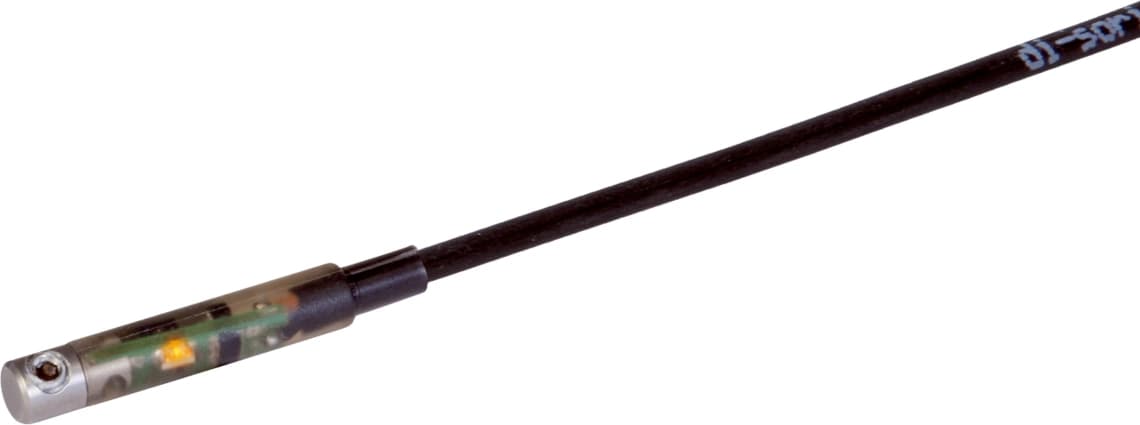
di-soric
MZES-3.9-PS-K0.6-TSSL
Gripper sensor, C-slot, PNP NO, Pigtail M8
Price and availability on request
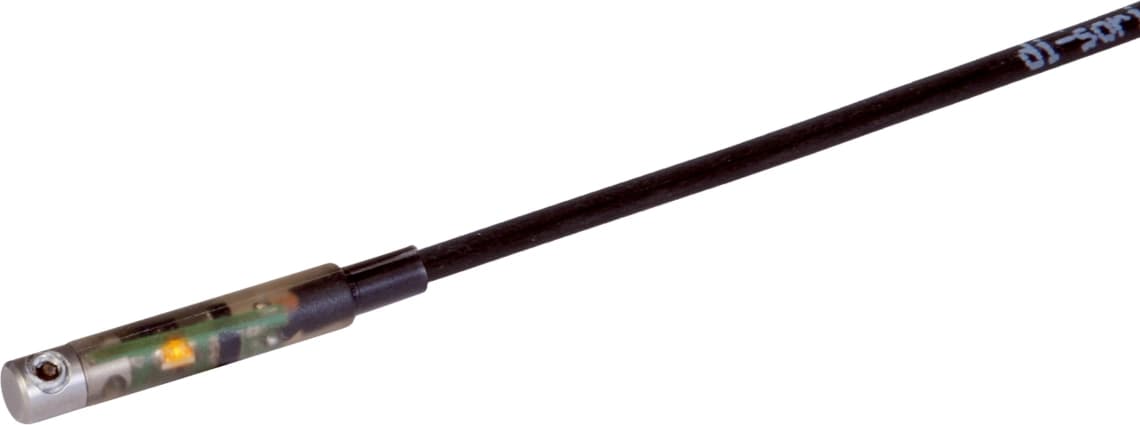
di-soric
MZES-3.9-PSL
Gripper sensor, C-slot, PNP NO, Cable
Price and availability on request
Use the product data to narrow down operating principle, detection range, switching output, connection and design. For the specific model, also check response time, power supply, degree of protection and matching counterparts, as far as these details are documented. If the sensor is to trigger a camera, its signal behavior and timing have to fit the machine vision setup as a whole.
Describe the object, distance, motion and the switching signal you need. We sort the constraints, compare suitable sensors across manufacturers and include the connection to camera or controller. With difficult surfaces or tight time windows, feasibility should be tested in practice before you commit.